Winter is often the season where interior painting becomes the...Read More
A clean surface is the difference between paint that lays down nicely and paint that shows every speck. The Paintr Excellr Duster Brush is built for that moment in the job, after sanding and before primer or topcoat, when you need to clear dust and loose debris fast, without dragging it back across the wall.
A duster brush is designed for dry surface prep. Instead of wiping with a rag that can smear fine powder around, a duster brush uses soft, wide bristles to lift dust, dirt, and loose particles off the surface so you can remove them from the work area.
Many trade duster brushes use a blended filament mix to grab fine dust and sweep it away efficiently, which is why you’ll see them recommended as a go-to tool for getting a better finish.
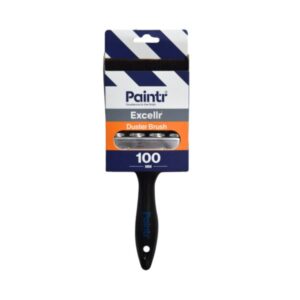
The Paintr Excellr Duster Brush, 100mm, is designed with:
Soft, wide bristles to remove dust and loose particles from walls, furniture, and other surfaces
100mm width for quick coverage across large areas
Hard-wearing 4 knot construction for durability on site
Lightweight, ergonomic feel so it’s easy to use all day
1) Better adhesion and fewer defects
Dust sitting on the surface can interfere with how well paint bonds. Dusting first helps paint stick better and reduces common finish issues caused by debris.
2) A smoother finish with less rework
Removing loose particles before coating helps you avoid those little bumps and gritty texture that show up once the paint dries, especially under raking light.
3) Cleaner edges during the job
A duster brush isn’t just for the start. It’s also handy mid-project for sweeping dust off trims and edges as you go, keeping your cut lines and details tidy.
4) Faster prep, especially after sanding
With a 100mm face and trade-ready build, you can move quickly across walls, skirting, window reveals, doors, and furniture.

A simple sequence that works well:
Fill and sand
Dust off with the duster brush (top to bottom, long light strokes)
Vacuum or remove swept dust from floors and ledges
Spot wipe where needed (for residue, oils, or heavy contamination)
Prime and paint
The duster brush is made for dry dust and loose debris. For greasy areas or heavy grime, you’ll still want proper cleaning, then let the surface dry fully before coating.
Use light pressure, let the bristles do the work
Work top-down, so dust falls onto areas you haven’t finished yet
Brush into corners and profiles, then sweep out and away
Keep it dry, it’s designed for dry dusting during prep
Paintr stands for ‘paint right’, it’s gear designed to make prep and finishing simpler, faster, and easier, backed by R&S Trade Centre’s industry experience and support.