Why roller setup matters
On most interior and exterior repaint work, the roller decides your finish. A good sleeve, used badly, will give you the same lines, dry spots and patchy sheen as a cheap one. A few simple habits around loading, handling and storage keep your finish consistent from first wall to last coat.
Below, the points are written with professional painters in mind, so they focus on speed, finish quality and repeatability.
1. Rinse and spin the sleeve before first use
New sleeves are full of loose fibres and manufacturing dust. If they go straight into the paint, those fibres end up on the wall.
-
Rinse the sleeve under clean water (for waterborne) or the appropriate thinner (for solvent systems) until the water runs clear.
-
Spin it out with a roller spinner or by hand in a bucket so the nap is damp, not dripping.
-
Comb or smooth the nap in one direction so it is even around the sleeve.
This step removes loose lint and helps the sleeve take up paint evenly from the first load, which saves your first coat from acting like a filter.
2. Load only to nap depth, avoid overfilling
The depth of your dip should match the nap length. For example:
-
5 mm nap, dip about 5 mm into the paint.
-
10 mm nap, dip about 10 mm.
-
12–15 mm and above, follow the same rule.
Then:
-
Roll off on the grid or tray until the sleeve looks evenly saturated, not dripping.
-
Keep the ends of the sleeve clear of heavy build up, since fat ends are a common cause of tram lines.
-
Use the grid to push paint into the middle of the sleeve, not just the outside surface.
Overloading fills the core and leads to lines, sagging and uneven coverage, especially on lower sheen finishes that show every defect under side light.
3. Keep the sleeve wet and working
A drying sleeve is a problem sleeve. Once you start, keep the sleeve moving.
-
Work one section at a time, for example one wall or a logical panel.
-
Maintain a wet edge so each new pass ties into wet film, not half-dry paint.
-
If you need to stop for a short period, wrap the loaded sleeve tightly in plastic or sit it in a sealed roller pouch, rather than letting it sit exposed on the tray.
This keeps the film open, reduces orange peel and avoids dry drag that can scuff semi-gloss and satin finishes.
4. Short breaks, overnight and multi-day work
How you park the roller depends on how long you are off the wall.
Short breaks (up to 30–60 minutes)
-
Load the sleeve fully, roll off lightly so it is not dripping.
-
Wrap tightly in plastic, squeeze out the air and seal the ends.
-
Store out of direct sun and away from heaters.
Overnight or next-day use
-
Again, leave the sleeve fully loaded, not partially cleaned.
-
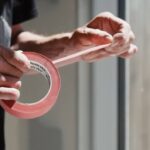
Wrap in plastic, twist the ends, then tape them shut.
-
For hot or very dry conditions, double-wrap or place in a sealed bag or container.
Done for the job
If you are not coming back to that colour or product:
-
Clean immediately with the correct cleaner, working paint out from the core to the tips.
-
Use a roller spinner to remove cleaner and restore nap shape.
-
Hang or stand the sleeve on its end so the nap can dry uniformly.
Proper storage extends sleeve life and keeps performance consistent from job to job.
5. Tape, label and track sleeves
Once wrapped, label every sleeve. This avoids cross-contamination and rework.
On the tape, note:
-
Colour or colour code.
-
Product name and sheen level.
-
System type, for example “acrylic wall finish”, “solvent enamel trim”, “2K floor”, “sealer/undercoat”.
-
Date and site or client name if you want full traceability.
Labeled sleeves let you safely return to a job for touch-ups or an extra coat without guessing what was used.
6. Extra tips for professional results
You can add a small checklist box to the blog with these points.
Choose the right nap for the surface
-
Short nap (5–8 mm) for doors, trim and very smooth walls.
-
Medium nap (10–12 mm) for standard interior walls and ceilings.
-
Longer nap (15 mm plus) for rough or textured substrates and exterior work.
Control pressure, not just speed
-
Use light, even pressure for finishing passes, heavier pressure only for spreading.
-
Finish each section with long, one-direction passes in the same direction, for example floor to ceiling.
Know when to retire a sleeve
-
If the nap is matted, shedding, or the core is swollen, replace it.
-
Old sleeves are good for sealers or rough first coats, keep the best ones for topcoats.
Separate sleeves by system
-
Keep dedicated sleeves for waterborne trim, solvent enamels, primers, epoxies and specialty coatings.
-
Store them in clearly marked bags or tubes to avoid mixing systems.