Winter is often the season where interior painting becomes the...Read More
For a any painter, masking tape is not just masking tape. The right tape can save time, protect the surface, and help deliver sharp, clean paint lines.
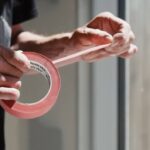
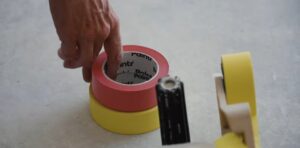
The Paintr masking tape range is colour coded to make it easier to pick the right adhesion level for the surface you are working on.

So what does each colour stand for then?
Purple – LOW ADHESION
The Paintr Purple Washi Tape is best for delicate surfaces where a softer tack is needed. Use on freshly painted areas, wallpaper, decorative finishes, or any surface where paint lift could be a risk. This is the tape to reach for when surface protection matters most.
Blue – MEDIUM ADHESION
The Paintr Blue Washi Tape is a reliable everyday painter’s tape for most standard masking work. Use it on cured painted surfaces, skirting, architraves, metal, glass, and general interior or exterior prep where a firmer hold is needed. Provides a little bit more adhesion than the Purple but not too much – this is the most commonly used Washi Tape colour.
Yellow/Gold – MEDIUM/HIGH ADHESION
The Paintr Gold All Purpose Washi Tape provides a little bit more adhesion than the Blue Washi tape, is mainly used on lightly textured woodwork, framework, ceilings, metal, glass & plastic. This level of adhesion is perfect for a surface that has a little bit of texture which the lower adhesive tapes struggle to stick to.
Red/Pink – HIGH ADHESION
The Paintr Red Washi Tape is designed for rougher or harder-to-stick surfaces. Use on brick, concrete, render, timber, and textured areas where standard tapes may struggle to stay down. This tape gives stronger grip for more demanding prep work. This tape has our highest adhesion level in the Paintr Washi Tape range.
How long can you leave these Washi Tapes on the surface for?
All of our Paintr Washi tapes can be left on the surface for up to 60 days without leaving a residue.
What Is Washi Tape, and Why Do Painters Use It?
Washi tape started with traditional Japanese paper making. The word “washi” refers to Japanese paper, usually made from long natural fibres such as kozo, mitsumata, or gampi. These fibres create a paper that is thin, strong, flexible, and smooth.
In trade painting, Washi tape is used as a premium masking tape backing. It is different from standard crepe paper masking tape because the paper is much thinner and flatter. That helps it sit tight to the surface, giving a cleaner edge and reducing the chance of paint bleed.
The thinner profile also means less paint build-up along the tape edge, which helps produce a sharper line when the tape is removed. For detailed cutting-in, feature walls, trims, cabinetry, joinery, and smooth surfaces, Washi tape is often the better choice.
Most painter’s Washi tapes are made with a washi-style paper backing and an acrylic adhesive. The paper gives the tape strength and edge sharpness, while the adhesive controls the tack level, clean removal, UV resistance, and how long the tape can stay on the surface.
Compared with standard masking tape, Washi tape generally offers:
For best results, apply Washi tape to a clean, dry surface and press the edge down firmly. Always test first on delicate, freshly painted, powdery, or poorly bonded surfaces.